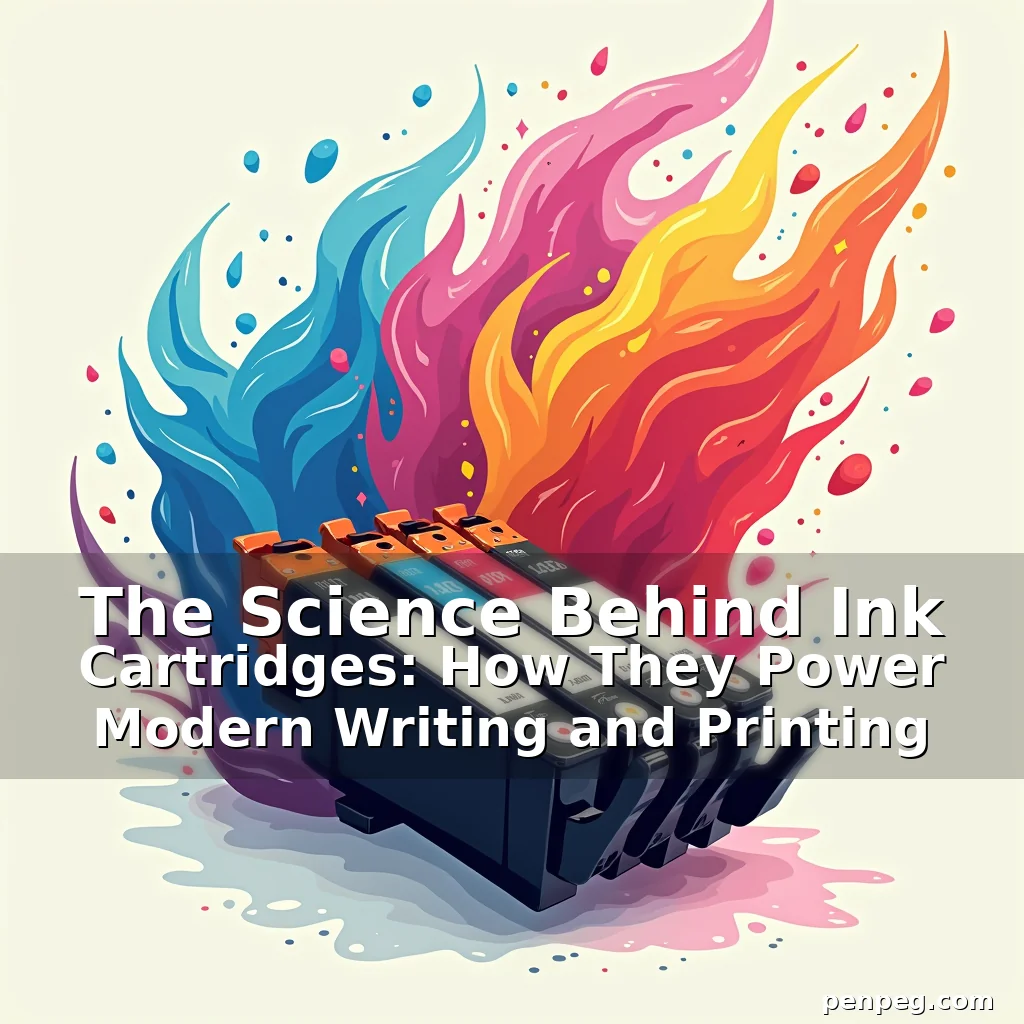
The Science Behind Ink Cartridges: How They Power Modern Writing and Printing
Ink cartridges are the unsung heroes of modern writing and printing technology, quietly enabling everything from handwritten notes to high-resolution photo prints. These small yet complex components have evolved dramatically over decades, transforming how we communicate and create. Whether you’re an artist, student, or office professional, understanding their inner workings can help you make informed choices that enhance your workflow.
At first glance, ink cartridges might seem simple—just reservoirs filled with colored liquid. However, beneath their unassuming exteriors lies a sophisticated blend of chemistry, engineering, and precision manufacturing. This article will explore the science behind these essential devices, revealing why they remain indispensable despite the rise of digital alternatives.
The Evolution of Ink Technology Through History
The history of ink dates back thousands of years, but the development of modern ink cartridges is a relatively recent innovation. Ancient civilizations used natural dyes made from plants, minerals, and even crushed insects to create pigments for writing surfaces like papyrus and parchment. These early forms relied heavily on absorption rather than chemical bonding to adhere to materials.
By the time of the Industrial Revolution, chemists had begun experimenting with synthetic compounds to produce more consistent and durable inks. The invention of fountain pens in the mid-19th century marked a significant turning point, as it required new methods to control ink flow without relying solely on gravity or capillary action.
- Pre-industrial era: Natural substances like iron gall ink were commonly used, though they often damaged paper due to acidification reactions.
- Late 1800s: Chemical advances led to the creation of waterproof inks suitable for commercial applications like shipping manifests and legal documents.
Modern inkjet printers emerged in the late 20th century alongside computerization. Unlike traditional offset printing techniques that require plates and rollers, inkjets deposit microscopic droplets of ink onto paper through precisely controlled nozzles. This breakthrough enabled faster production times while maintaining high print quality standards across various media types.
Todays’ cartridge designs incorporate advanced materials and microfluidics to optimize performance. Engineers now use nanotechnology to refine pigment dispersion within ink solutions, ensuring smoother application and longer-lasting results on different substrates such as glossy photo paper or fabric textiles.
Diverse Types of Ink Cartridges Available Today
There are several categories of ink cartridges tailored for specific purposes, each with its own advantages and limitations. Understanding these differences helps users choose products that best match their needs whether they prioritize cost-effectiveness, longevity, or environmental impact.
One primary distinction lies between dye-based and pigment-based formulations. Dye inks offer vibrant colors and excellent lightfastness properties, making them ideal for graphics design projects where color accuracy matters most. Pigment inks, however, excel at resisting water damage and fading when exposed to sunlight over extended periods.
Pigment vs. Dye-Based Inks Explained
A key factor influencing durability comes down to molecular structure. Dye molecules dissolve completely within the solvent medium, allowing for richer hues but potentially compromising resistance against moisture. In contrast, pigment particles remain suspended within the carrier fluid until applied to the surface, creating a physical bond instead of dissolving entirely.
This fundamental difference affects archival value significantly. While both options provide good initial output quality, pigment inks tend to maintain their appearance better under harsh conditions like humidity fluctuations or prolonged exposure to direct sunlight compared to their dyed counterparts which may fade prematurely.
How Ink Cartridges Work Technically
Beneath their sleek exteriors lie intricate mechanisms responsible for delivering precise amounts of ink exactly where needed during operation. Manufacturers employ various strategies depending upon whether the device uses thermal printheads or piezoelectric actuators for deposition processes.
Thermal inkjet systems utilize resistors inside tiny chambers to rapidly heat up minuscule volumes of ink solution. As temperature increases, vapor bubbles form momentarily before collapsing suddenly—a process known as bubble jetting—which forces drops out through extremely fine nozzles at incredible speeds measured in thousands of dots per second.
Piezoelectric technology works differently by applying electrical charges directly onto ceramic elements embedded near nozzle openings. When activated electrically, these crystals deform slightly causing pressure changes within adjacent ink channels thereby pushing out predetermined quantities accurately according to programmed instructions stored digitally within printer firmware.
Both approaches require meticulous calibration throughout manufacturing stages since any imperfections could lead to misaligned text patterns or inconsistent shading effects visible after completion. Quality assurance protocols ensure every unit meets stringent tolerances before reaching consumer markets worldwide.
Evaluating Performance Metrics of Ink Cartridges
When selecting between available options, consumers should consider multiple factors beyond mere price points including page yield estimates, drying times, compatibility guarantees, and warranty coverage terms provided by manufacturers.
Page yields represent approximate numbers indicating how many pages average-sized A4 sheets can be printed using full-color settings versus black-only configurations based upon standardized test procedures established industry-wide. However actual usage varies greatly depending upon individual preferences regarding font sizes utilized frequently along with image density levels chosen regularly.
Drying characteristics also play crucial roles especially considering environments prone to accidental smudging risks posed by children’s activities or creative arts classes requiring frequent handling post-printing operations. Fast-drying formulas minimize chances of unwanted impressions forming unintentionally when touched shortly after being laid down freshly onto paper surfaces.
Compatibility assurances guarantee seamless integration with designated equipment models avoiding potential issues arising from mismatched interfaces caused either intentionally (like OEM exclusivity policies) or accidentally (due to user error). Always check specifications carefully prior purchasing decisions involving third-party replacements seeking optimal functionality outcomes consistently across varied scenarios encountered daily life situations.
Sustainability Considerations in Ink Production Processes
Environmental responsibility has become increasingly vital aspect affecting contemporary product selection criteria among environmentally conscious individuals aiming reduce ecological footprints associated consumption habits. Fortunately numerous companies now offer eco-friendly alternatives addressing concerns related resource depletion waste generation pollution emissions etcetera comprehensively.
Recyclable packaging initiatives contribute positively towards reducing landfill accumulation rates achieved through innovative material compositions featuring biodegradable polymers capable decomposing naturally overtime thus minimizing long-term environmental impacts stemming plastic residue left behind discarded containers following expiration cycles typical household supplies management routines.
Certifications awarded independent organizations verifying adherence strict sustainability guidelines serve useful indicators helping identify genuinely green offerings distinguishing authentic efforts pseudo-green marketing tactics employed misleadingly sometimes confusing end-users trying discern true value propositions presented competing brands vying attention marketplace space currently occupied growing demand sustainable living practices globally expanding steadily year-over-year.
Moreover some forward-thinking enterprises implement closed-loop recycling programs encouraging customers return empty units facilitating reuse raw materials collected subsequently processed anew transformed fresh batches ready distribution channels once again completing circular economy model promoting perpetual regeneration resources rather linear approach exhausting finite supplies irreversibly damaging ecosystems irreparably harmed irreversible manner permanently altering planetary health status quo negatively impacted human populations dependent balanced ecosystem functions preserved safeguarded future generations inherit world thriving resilient communities coexisting harmoniously nature without sacrificing technological advancements already established today society benefits immensely.
Maintenance Tips for Extending Lifespan of Ink Cartridges
Proper care extends operational lifespan considerably decreasing frequency replacement requirements ultimately saving money spent repeatedly acquiring new supplies unnecessarily consumed prematurely due neglect improper storage conditions mishandling leading accelerated deterioration occurring sooner expected timelines.
Storage recommendations emphasize keeping cartridges upright preventing leakage incidents resulting from tilting positions exposing internal membranes vulnerable external contaminants seeping through compromised seals weakening structural integrity over time increasing likelihood failure events occurring unexpectedly disrupting workflows reliant continuous availability functional components performing reliably consistently whenever needed irrespective circumstances faced daily routines experienced users accustomed regular maintenance schedules adhered religiously ensuring peak performance maintained indefinitely.
Regular cleaning routines recommended particularly for infrequently used devices susceptible clogging buildup accumulating debris obstructing pathways restricting normal flow rates impeding ability deliver sufficient quantities properly timed intervals ensuring uninterrupted service delivery meeting expectations set forth manufacturer warranties covering defects arising routine wear tear predictable aging processes inherent nature consumables designed eventually depleted regardless meticulous preservation measures undertaken diligently throughout entire lifecycle duration.
Printing practice suggestions advise utilizing dedicated maintenance mode features built-in diagnostic tools available most modern machines enabling thorough purging residual ink deposits accumulated deep recesses difficult reach manually otherwise risking permanent blockages developing requiring costly repairs performed professionally certified technicians equipped specialized equipment necessary resolve persistent issues originating stubborn obstructions resistant conventional removal techniques attempted previously without success restoring full functionality desired restored efficiently promptly without undue delays interrupting productivity levels affected adversely affected absence timely interventions implemented preemptively proactively rather passively waiting problems escalate worsening situation exponentially compounding complexity resolution efforts required afterwards.
Finding Reliable Sources for High-Quality Ink Supplies
With so many options available online and offline, identifying trustworthy suppliers becomes critical task ensuring acquisition genuine products fulfilling promises advertised specifications exceeding minimum acceptable thresholds defined regulatory bodies overseeing safety standards protecting public interests against substandard imitations posing risks harm property personal wellbeing.
Authorized dealerships affiliated directly manufacturers guarantee authenticity verified origins traceability complete transparency supply chains eliminating uncertainties surrounding counterfeits infiltrated counterfeit marketplaces selling fraudulent replicas masquerading legitimate items deceiving unsuspecting buyers lured attractive prices undercutting official retail pricing structures enticing budget-conscious shoppers unaware hidden costs concealed deceptive advertising campaigns manipulating perception value proposition misrepresented reality substantially differing actual quality delivered received ultimately proving detrimental experience overall satisfaction diminished severely.
Online platforms offering customer reviews ratings serve invaluable resources cross-referencing feedback received previous purchasers sharing experiences gained firsthand interactions providing objective assessments unbiased perspectives contrasting subjective claims issued promotional materials generated sales teams focused conversion metrics prioritizing volume transactions maximizing profit margins potentially overlooking nuanced aspects affecting real-world usability encountered practical applications everyday scenarios demanding reliable dependable performance attributes consistently demonstrated proven track records verifiable data supporting assertions made confidently.
Local stationery stores often carry reputable brands stocked knowledgeable staff able answer queries regarding compatibility suitability particular machine models recommending appropriate selections matching intended usage patterns optimizing investment returns maximizing utility derived purchases made wisely informed decisions backed solid research validating assumptions questioned thoroughly beforehand committing financial commitments irrevocably altering inventory balances forever changed thereafter.
Conclusion
Ink cartridges remain integral part our lives powering countless communication endeavors spanning artistic expressions academic pursuits business operations. Their evolution reflects ongoing innovations shaping digital landscape continuously adapting meet ever-changing demands global population embracing connectivity convenience efficiency simultaneously preserving heritage traditions rooted historical significance foundational importance cultural identity.
Whether choosing between dye-based or pigment-based solutions evaluating technical specifications considering sustainability factors implementing proper maintenance practices sourcing reliable supplies understanding these facets empowers users maximize effectiveness longevity enjoyment derived utilization ink technologies available today enriching daily existence profoundly enhancing capabilities afforded through continued advancement field.