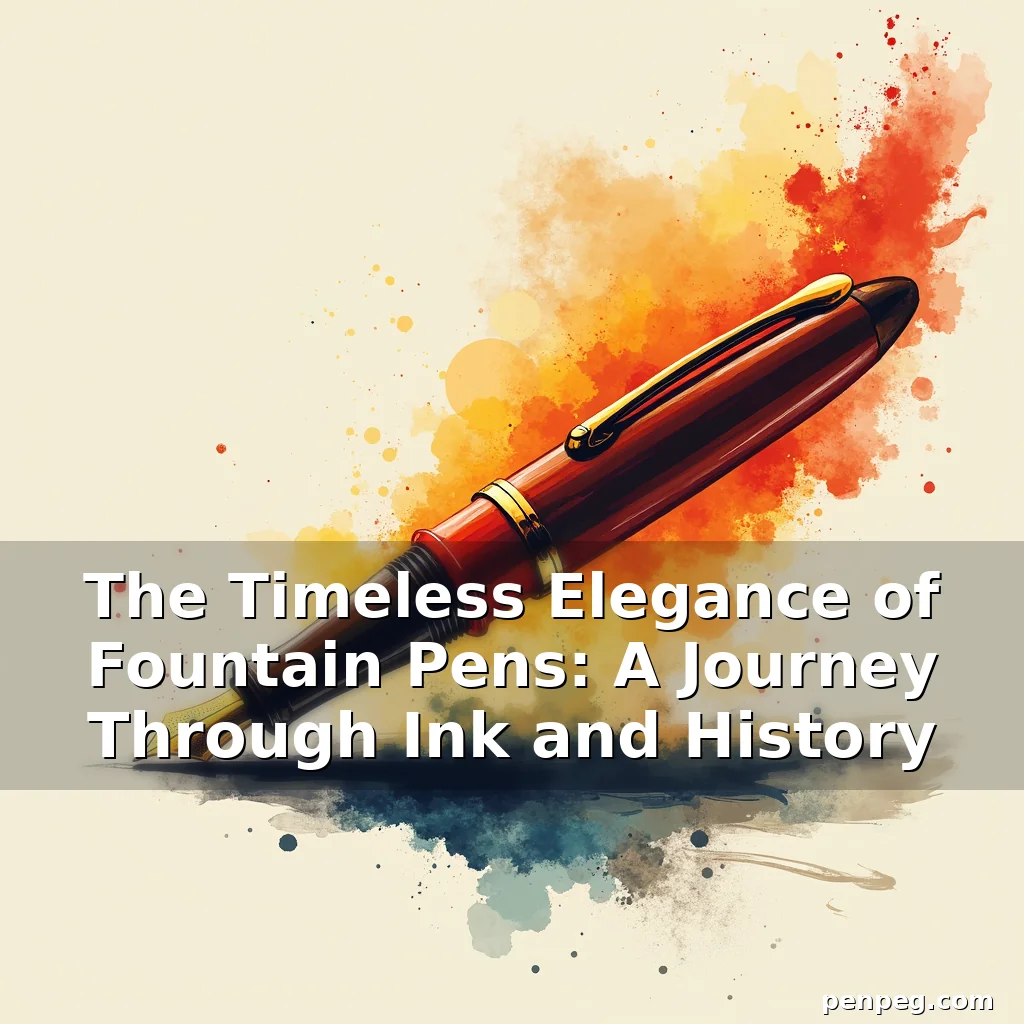
The Timeless Elegance of Fountain Pens: A Journey Through Ink and History
Fountain pens have stood as symbols of sophistication, artistry, and personal expression since their invention over two centuries ago. Unlike modern ballpoint or rollerball pens, fountain pens utilize a reservoir of ink that flows through a nib to create fluid, elegant lines on paper. Their enduring appeal lies not only in their functionality but also in their ability to connect writers with history, culture, and craftsmanship.
In an era dominated by digital communication, fountain pens offer a tangible, meditative experience that encourages mindfulness and creativity. Whether you’re a seasoned writer, a student seeking to enhance your note-taking, or simply someone who appreciates fine design, exploring the world of fountain pens can be both enriching and rewarding.
The Origins and Evolution of Fountain Pens
Fountain pens trace their roots back to ancient civilizations, where reed pens and quills were used to write on papyrus and parchment. The earliest known fountain pen was developed in the 19th century when French inventor Baron Johann Baptist Ludwig von Staël-Holstein patented a design featuring a metal capillary system that allowed ink to flow without external pressure. This innovation laid the groundwork for future advancements in writing instruments.
Throughout the late 1800s and early 1900s, numerous inventors refined and improved upon this concept. One notable figure was Lewis Edson Waterman, whose 1884 patent introduced a feed mechanism that regulated ink flow, preventing leaks while maintaining consistent performance. His breakthrough led to the founding of the Waterman Pen Company, which became synonymous with quality and reliability in the pen industry.
As technology advanced, so did fountain pen designs. Innovations such as vacuum fillers, converters, and piston-fill systems enabled users to refill their pens easily, eliminating the need for frequent replacements. These developments made fountain pens more practical and accessible, allowing them to thrive even in the face of competition from mass-produced ballpoint pens.
- Vacuum Fillers: Introduced in the mid-20th century, these mechanisms use suction to draw ink from bottles into the pen’s reservoir. They are particularly useful for travel due to their ease of use and minimal maintenance.
- Converters: Converters allow users to switch between bottled ink and disposable cartridges, offering flexibility and cost-effectiveness. Many vintage pens come equipped with converters that provide an authentic writing experience.
The Art of Writing with Fountain Pens
Writing with a fountain pen is an entirely different experience compared to using standard ballpoint or gel pens. The smooth flow of ink combined with the weight and balance of high-quality pens creates a connection between hand and page that feels both natural and satisfying. This tactile feedback enhances the writing process, making each stroke feel intentional and expressive.
One of the most appealing aspects of fountain pens is their versatility. From sleek, minimalist designs suitable for everyday carry to ornate models adorned with precious metals and gemstones, there’s a fountain pen to match every style and purpose. Additionally, the wide range of nib sizes—from extra-fine to broad—allows for varying levels of line width, enabling writers to experiment with different effects and techniques.
Nib Sizes and Line Variation
Fountain pen nibs come in various sizes, typically categorized as EF (extra-fine), F (fine), M (medium), B (broad), and BB (broader). Each size produces distinct line widths depending on the pressure applied during writing. For instance, an EF nib will produce very thin lines under light pres
The choice of nib ultimately depends on individual preference and intended use. Writers who prefer legibility may opt for finer tips, whereas those who enjoy bold script might find wider nibs more suitable. Experimentation is key; many enthusiasts recommend trying out several nib sizes before committing to one that best suits their needs.
The Role of Ink in Fountain Pen Performance
Selecting the right ink for a fountain pen is crucial to achieving optimal results. Fountain pen inks vary significantly in color, viscosity, drying time, and compatibility with different types of nibs and papers. High-quality inks ensure smooth flow, prevent clogging, and deliver vibrant colors that stand out against various backgrounds.
There are three primary categories of fountain pen ink: water-based, alcohol-based, and oil-based. Water-based inks are the most common and generally preferred because they dry quickly and do not smudge easily. Alcohol-based inks tend to fade faster but offer excellent transparency, making them popular among artists and illustrators. Oil-based inks are less commonly used due to their slower drying times and potential for bleeding on certain surfaces.
Popular Brands and Types of Fountain Pen Inks
Several renowned brands manufacture premium fountain pen inks known for their consistency, vibrancy, and longevity. Companies like Pelikan, Parker, Montblanc, and Pilot offer a diverse selection of hues ranging from classic blacks and blues to exotic shades like deep indigo, emerald green, and even metallic finishes. Some manufacturers specialize in limited-edition collections designed exclusively for fountain pens, further enhancing their allure.
For those looking to explore unconventional options, DIY ink recipes involving food coloring mixed with distilled water or glycerin can yield interesting results at home. However, caution must be exercised when preparing homemade inks, as improper formulations may lead to clogged feeds or damaged internal components within the pen itself.
Craftsmanship Behind Fine Fountain Pens
High-end fountain pens often reflect exceptional craftsmanship, incorporating materials such as gold, stainless steel, titanium, and precious stones into their construction. Gold-plated or solid-gold nibs are prized for their durability and responsiveness, providing a luxurious feel that enhances the overall writing experience. The precision required to shape these intricate parts underscores the level of skill involved in producing top-tier fountain pens.
Besides material choices, attention to detail extends beyond aesthetics. Internally, carefully engineered feed systems regulate ink delivery precisely, ensuring steady output regardless of environmental conditions. External features—including ergonomic grips, balanced weights, and personalized engravings—are meticulously crafted to cater specifically to user preferences.
Precious Materials Used in Premium Models
Luxury fountain pens frequently feature rare materials sourced globally. For example, some models incorporate iridium-tipped nibs—an alloy composed primarily of iridium—which provides unmatched wear resistance against repeated contact with paper surfaces. Others showcase mother-of-pearl accents or genuine leather trimmings that add visual depth and texture.
Additionally, certain manufacturers collaborate with artisans specializing in engraving or lacquer work to create bespoke pieces tailored to discerning collectors. These customizations elevate simple writing tools into works of art worthy of display alongside other treasured possessions.
Maintenance and Care Tips for Fountain Pens
To prolong the lifespan of a fountain pen, regular maintenance practices are essential. Cleaning routines involve flushing out old ink periodically using either specialized cleaning solutions or plain water followed by blotting paper to absorb any residual moisture. Proper storage methods include keeping pens upright whenever possible to avoid damaging delicate internal structures caused by prolonged horizontal placement.
Users should also pay close attention to how frequently they change inks, especially when switching between acidic or highly pigmented formulas that could potentially stain surrounding areas inside the barrel housing. Always follow manufacturer guidelines regarding recommended usage periods based on type and frequency of application.
Troubleshooting Common Issues With Fountain Pens
If a newly purchased fountain pen fails to write smoothly after initial setup, troubleshooting steps usually begin with checking whether the nib has been properly seated within its mount. Sometimes slight misalignments occur during assembly, leading to inconsistent ink flow until corrected manually via gentle adjustments.
Leakage problems might arise from incorrect refilling procedures or exposure to extreme temperatures affecting internal pressures within sealed compartments holding liquid contents. To mitigate risks associated with temperature fluctuations, storing pens away from direct sunlight remains advisable unless otherwise specified by product documentation.
The Community Around Fountain Pens
A growing number of individuals worldwide share an interest in fountain pens, forming active online communities dedicated solely to discussing all things related to this traditional yet evolving craft. Forums, social media groups, YouTube channels, podcasts, and blog posts serve as platforms where enthusiasts exchange knowledge about new releases, review products critically, and foster connections across geographical boundaries.
These virtual spaces encourage collaboration among members who contribute tutorials demonstrating advanced skills such as ink blending techniques or restoration projects aimed at reviving antique specimens back to functional condition. By participating regularly, newcomers gain access to invaluable resources previously inaccessible outside formal educational settings focused purely on handwriting instruction.
Eco-Friendliness and Sustainability Considerations
In recent years, increasing awareness around sustainability issues has prompted discussions concerning eco-friendly alternatives within the realm of stationery supplies including fountain pens themselves. While plastic-based components remain prevalent throughout much of contemporary production processes, initiatives promoting recyclable packaging materials represent positive strides toward reducing waste generated from consumer goods industries broadly speaking.
Furthermore, embracing reusable elements inherent in fountain pen design inherently supports long-term reduction strategies vis-a-vis single-use disposables found elsewhere today notably in office environments relying heavily upon cheaply manufactured implements discarded soon afterward once they cease functioning adequately anymore.
Conclusion
Fountain pens continue to captivate hearts and minds alike thanks largely to their blend of historical significance combined seamlessly with modern technological enhancements geared towards improving usability experiences across varied scenarios demanding reliable writing tools capable fulfilling diverse roles effectively.
Whether you choose to invest in a luxury model boasting exquisite detailing or opt instead for something more affordable yet still possessing adequate build qualities sufficient supporting daily activities reliably enough, taking time now to familiarize oneself thoroughly regarding available options ensures informed decision-making processes beneficial long term outcomes aligned closely with personal values priorities goals set forth initially prior engagement commenced fully within context provided hereabove.