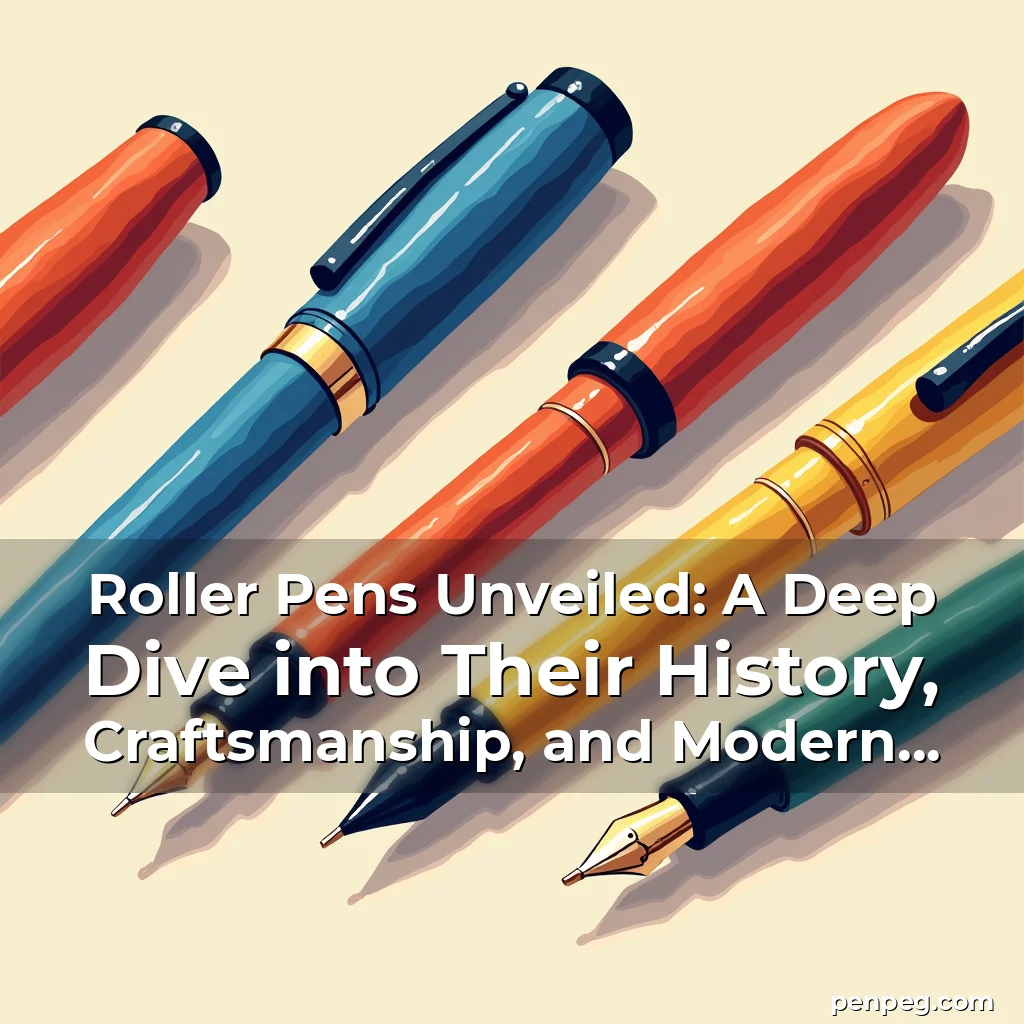
Roller Pens Unveiled: A Deep Dive into Their History, Craftsmanship, and Modern Innovations
The humble roller pen has evolved far beyond its basic function as a writing instrument. From ancient inkwells to sleek, ergonomic designs today, roller pens have become symbols of creativity, efficiency, and personal expression.
This article explores the intricate world of roller pens, uncovering their origins, engineering marvels, diverse applications, and why they remain indispensable tools for writers, artists, and professionals worldwide.
The Evolution of Roller Pens: Tracing Their Origins
The concept of rolling-writing instruments dates back thousands of years, with early forms resembling reed pens dipped in ink. However, modern roller pens emerged in the late 19th century during rapid industrialization and material innovation.
In 1888, John J. Loud invented the first practical roller ballpoint pen, using oil-based ink to prevent smudging. Though initially designed for marking leather, his invention laid the groundwork for later refinements.
- Mechanical breakthroughs: Early models relied on gravity-fed systems, but advancements in capillary action allowed consistent ink flow even at angles.
- Cultural shifts: Post-WWII demand for portable writing tools drove mass production, making roller pens accessible globally.
Engineering Marvels: How Roller Pens Work
A typical roller pen consists of a reservoir, a nib, and internal mechanisms enabling smooth ink delivery. Understanding this design reveals the science behind effortless writing.
The nib, often made of metal or polymer, contains microscopic channels that guide ink via surface tension. As the pen moves, ink flows continuously without requiring pressure.
The Role of Materials
High-quality roller pens use precision-engineered components. Brass or stainless steel bodies offer durability, while silicone seals prevent leaks during travel or storage.
Modern variants incorporate lightweight plastics and ergonomic grips, enhancing comfort during extended use. Some feature retractable tips for added convenience.
Diverse Applications: Beyond Basic Writing
Roller pens transcend traditional note-taking, finding utility in art, education, and professional settings. Their versatility makes them indispensable across industries.
Artists favor roller pens for sketching and detailing, appreciating their fine lines and quick-drying properties. Educators rely on them for clear, legible annotations on whiteboards or paper.
- Medical field: Surgeons use specialized roller pens for precise markings during procedures or documentation.
- Business environments: Executives prefer roller pens for signing contracts, emphasizing professionalism and reliability.
Ergonomics Redefined: Design for Comfort and Control
Contemporary roller pen manufacturers prioritize ergonomics, recognizing the importance of reducing hand fatigue during prolonged use. Thoughtful design elements cater to varying grip styles.
Tapered barrels, textured surfaces, and balanced weight distribution contribute to a seamless writing experience. Some models integrate anti-slip rubberized zones for enhanced control.
Customization Trends
Consumers increasingly seek personalized options, from engraved initials to interchangeable caps. Limited-edition releases collaborate with designers to blend functionality with aesthetics.
Adjustable tip sizes allow users to switch between broad strokes for artistic work and finer lines for drafting documents, expanding creative possibilities.
Sustainability in Action: Eco-Friendly Roller Pens
The rise of environmentally conscious consumers has spurred innovation in biodegradable and recyclable roller pen materials. Companies now emphasize reducing ecological footprints without compromising performance.
Bamboo and recycled aluminum bodies replace traditional plastics, while refillable cartridges minimize single-use waste. Certifications like FSC (Forest Stewardship Council) verify responsible sourcing of wood components.
- Plastic alternatives: Bioplastics derived from cornstarch decompose faster than conventional petroleum-based resins.
- Refillability: Durable pens with replaceable ink cartridges last decades, significantly cutting landfill contributions.
The Art of Collecting: Roller Pens as Cultural Icons
Rare and vintage roller pens hold significant value among collectors, reflecting historical milestones and design eras. These items serve as tangible links to past innovations.
Limited-run editions often commemorate events or partnerships, featuring unique color schemes, engravings, or signature finishes. Vintage pieces may include original packaging or promotional materials.
Market Value Insights
Auction records show rare roller pens fetching thousands of dollars, particularly those tied to famous inventors or iconic brands. Condition, rarity, and provenance heavily influence pricing.
Online marketplaces and collector communities facilitate trade, fostering appreciation for both functional and aesthetic qualities of these artifacts.
Fuel Your Creativity: Tips for Choosing the Right Roller Pen
Selecting the ideal roller pen depends on individual needs, whether prioritizing speed, precision, or durability. Testing multiple models helps identify preferences.
Consider factors like ink viscosity, nib size, and body weight. Lighter pens suit handheld tasks, whereas heavier ones provide stability for graphic-intensive work.
- Writing style: Fast-paced writers benefit from high-flow ink, while meticulous drafters require controlled saturation.
- Portability: Compact designs with locking mechanisms ensure safety during transit or storage in bags.
Preserving Longevity: Maintenance and Care Guidelines
Proper care extends a roller pen’s lifespan, preserving both its appearance and performance. Regular cleaning prevents clogging and maintains smooth operation.
Use distilled water or manufacturer-recommended solutions to flush out residue buildup. Store pens upright to avoid ink pooling inside the barrel.
Common Issues and Solutions
If ink dries out, soak the nib briefly in warm water before wiping dry. Persistent blockages may require disassembly and gentle cleaning with a soft brush.
Replace worn-out parts promptly to avoid damage. Always follow guidelines for refilling or replacing cartridges safely.
The Future of Roller Pens: Innovation on the Horizon
Advancements in nanotechnology and smart materials promise revolutionary changes in roller pen design. Researchers experiment with self-cleaning surfaces and adaptive ink formulas.
Potential developments include pens equipped with sensors to monitor grip strength or adjust ink flow dynamically based on movement patterns.
- Smart integration: Bluetooth-enabled pens could sync with tablets or smartphones for real-time transcription or annotation tracking.
- Biometric security: Embedded chips authenticate signatures digitally, offering secure verification for legal documents.
Conclusion
Roller pens embody centuries of ingenuity, blending tradition with modern technology to meet evolving demands. Whether for daily use, creative pursuits, or collectibility, their enduring appeal remains unmatched.
Invest in a well-crafted roller pen today—you’re not just choosing a tool; you’re embracing a legacy of innovation that continues to shape our world of writing and expression.