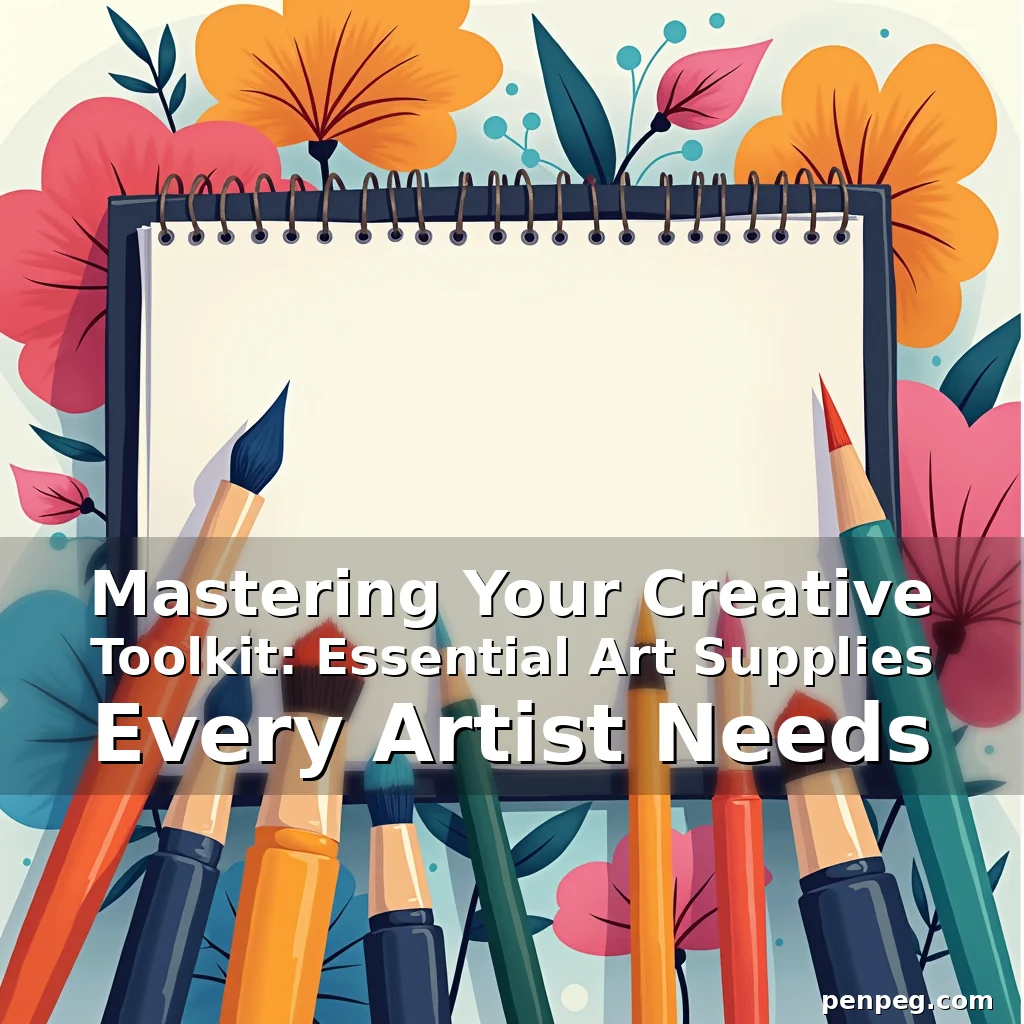
Mastering Your Creative Toolkit: Essential Art Supplies Every Artist Needs
In today’s dynamic world of artistic expression, having access to high-quality art supplies isn’t just beneficial—it’s transformative. Whether you’re sketching landscapes, painting abstract masterpieces, or crafting intricate sculptures, your choice of materials significantly impacts both process and outcome.
The right art supplies empower artists to explore new techniques, refine their skills, and bring visions to life with precision and flair. From traditional mediums to cutting-edge innovations, understanding what tools work best for individual styles is crucial.
Understanding the Core Components of Art Supplies
Art supplies encompass a vast array of products designed to support every stage of creative exploration. These range from basic drawing implements to complex multimedia installations, catering to diverse artistic disciplines.
To navigate this expansive field effectively, it’s vital to categorize supplies by function and material. This approach ensures artists select the most suitable tools for their specific projects and preferences.
Mediums: Paints, inks, markers, and pastels form the foundation of visual arts. Each offers distinct textures, opacity levels, and drying times that influence final artwork characteristics.
Tools: Brushes, pencils, chisels, and styluses enable precise control over application methods. Their design varies widely depending on intended use and desired effects.
Supports: Surfaces like canvases, paper, wood panels, and fabric serve as the base upon which artworks are created. Texture, weight, and durability play significant roles in determining suitability.
Accessories: Palettes, rulers, erasers, and storage containers enhance workflow efficiency and maintain organizational order during extended创作 sessions.
- Paint Quality Matters: Professional-grade paints often contain higher pigment concentrations and archival properties compared to student-grade alternatives. This difference becomes particularly noticeable in long-term color retention and vibrancy.
- Tool Selection Tips: Invest in versatile yet specialized tools tailored to primary artistic practices. A single high-quality brush may prove far more useful than multiple mediocre ones.
- Surface Considerations: Pre-stretched canvases offer convenience for painters, while watercolor papers require careful selection based on weight and tooth to prevent warping issues.
Choosing the Right Tools for Your Medium
Selecting appropriate tools begins with identifying preferred artistic mediums and techniques. Each discipline demands specific instruments optimized for its unique requirements.
For instance, oil painters rely heavily on palette knives and hog hair brushes, whereas watercolorists benefit from synthetic round brushes and smooth surfaced paper. Understanding these nuances enhances overall creative performance.
Brushes: The Foundation of Any Painting Technique
Brushes constitute one of the most critical components in any painter’s arsenal. Their construction determines fluidity, texture creation capabilities, and ease of cleanup after use.
A survey conducted among professional artists revealed that approximately 86% prioritize brush quality as their top investment consideration. This underscores the direct correlation between tool excellence and technical proficiency.
Tip: When purchasing brushes, examine bristle stiffness, handle ergonomics, and ferrule integrity. Natural hairs provide better moisture retention for oil paints, while synthetics excel at absorbing water-based media.
Proper maintenance extends brush lifespan dramatically. Cleaning with soap and water immediately after use prevents permanent staining and maintains shape longevity.
Surfaces and Supports – What Artists Should Know
Creating compelling artwork relies not only on skill but also on optimal surface choices. Different materials interact uniquely with various media, influencing absorption rates and finish outcomes.
Canvas remains popular due to its versatility across paint types, though primed wood panels offer greater control for impasto techniques. Paper selections vary greatly depending on whether working digitally or traditionally.
Watercolor artists favor cold pressed papers with moderate tooth, allowing for both washes and detailed line work. Acrylic painters often opt for heavier weight papers to withstand layering processes effectively.
Digital artists utilize graphic tablets paired with pressure-sensitive styluses, enabling seamless transitions between physical and virtual mediums. Hybrid approaches combining both worlds are increasingly common among contemporary creatives.
Accessories That Elevate Your Artistic Process
While core supplies receive much attention, overlooked accessories significantly impact productivity and comfort during lengthy创作 periods. Strategic investments in these elements streamline workflows remarkably.
Easels ranging from simple floor models to adjustable studio versions allow artists to maintain ideal viewing angles. Portable options facilitate outdoor painting excursions without compromising stability concerns.
Premium palettes featuring non-porous surfaces prevent paint from drying prematurely. Some advanced designs incorporate built-in mixing areas and suction cups for secure placement atop tables.
Storage systems organized by medium type minimize clutter and promote efficient retrieval. Clear compartments make inventory management straightforward even amidst active project phases.
Ergonomic considerations become essential when selecting furniture pieces used regularly. Adjustable chairs and wrist rests reduce strain during prolonged sessions involving repetitive motions.
Investing Wisely: Budget-Friendly vs High-Quality Supplies
Balancing cost effectiveness with quality assurance presents ongoing challenges for emerging artists seeking value-for-money options. Identifying which purchases warrant splurges versus those that can wait proves crucial.
Initial investments should prioritize items whose deterioration would directly hinder progress. For example, acquiring durable brushes upfront avoids frequent replacements disrupting workflow continuity.
Middle-tier products represent excellent compromises where performance meets affordability. Mid-range canvases strike balance between price and structural integrity for beginners testing different styles.
Online marketplaces frequently feature seasonal sales or bundle deals that make upgrading equipment more financially feasible. Subscribing to newsletters helps stay informed about upcoming promotions.
Local art supply stores sometimes offer workshops demonstrating product usage scenarios, providing practical knowledge before making commitments. Building relationships with vendors opens doors to personalized recommendations too.
Emerging Trends Shaping Modern Art Supply Markets
The landscape of available art supplies continues evolving rapidly, driven by technological advancements and shifting environmental consciousness. Contemporary trends reflect growing emphasis on sustainability alongside innovation.
Eco-conscious consumers now seek biodegradable packaging materials and plant-based pigments reducing ecological footprints. Many manufacturers respond by developing environmentally friendly alternatives without sacrificing performance standards.
Digital integration transforms traditional practices through hybrid approaches merging analog and electronic formats seamlessly. Interactive software enables experimentation with colors and compositions virtually prior to committing physically.
Customization options expand exponentially, allowing artists to personalize tools according to specific needs rather than relying solely on standard-issue configurations. Bespoke orders cater to niche requirements previously unattainable via mass production channels.
Cultivating Creativity Through Material Exploration
Experimentation with varied materials fosters unexpected discoveries enhancing artistic growth trajectories. Venturing outside familiar territory encourages novel problem-solving strategies applicable across disciplines.
Combining disparate media produces intriguing results—such as incorporating metallic leaf into mixed-media collages or blending inkjet prints with hand-drawn elements. Such cross-pollination stimulates fresh conceptual directions.
Community engagement platforms facilitate sharing experiences regarding particular supplies’ merits/drawbacks. Online forums and social media groups create supportive ecosystems where members exchange insights freely.
Participating in collective exhibitions exposes participants to alternative perspectives on material applications. Observing others’ methodologies sparks curiosity about potential adaptations worth trying personally.
Preserving Your Collection: Storage & Maintenance Best Practices
Longevity of art supplies depends largely on proper care routines established early on. Implementing systematic preservation protocols safeguards investments against degradation risks.
Organizing by medium type prevents accidental contamination between incompatible substances. Designated zones separate solvents, powders, and liquids ensuring safe handling procedures remain intact.
Humidity-controlled environments protect sensitive items like charcoal drawings susceptible to smudging caused by atmospheric fluctuations. Silica gel packets placed inside containers absorb excess moisture effectively.
Rubber bands and plastic sleeves serve dual purposes—securing loose sheets while shielding them from dust accumulation. Labeling everything facilitates quick identification during searches.
Regularly inspecting tools for wear signs allows timely replacement before failures occur mid-project. Establishing maintenance schedules prevents surprises during critical创作 moments.
Conclusion
Whether pursuing fine arts professionally or exploring creatively as a hobbyist, mastering one’s toolkit unlocks unprecedented expressive possibilities. Thoughtful selection of appropriate supplies lays solid groundwork for future development journeys.
Continuously refining your collection through mindful acquisition decisions ensures alignment between personal aspirations and resource availability. Embrace opportunities to discover innovative materials that resonate with current artistic inclinations while respecting foundational principles guiding successful practice.