The Digital Pen Revolution: Bridging Analog Creativity and Modern Technology
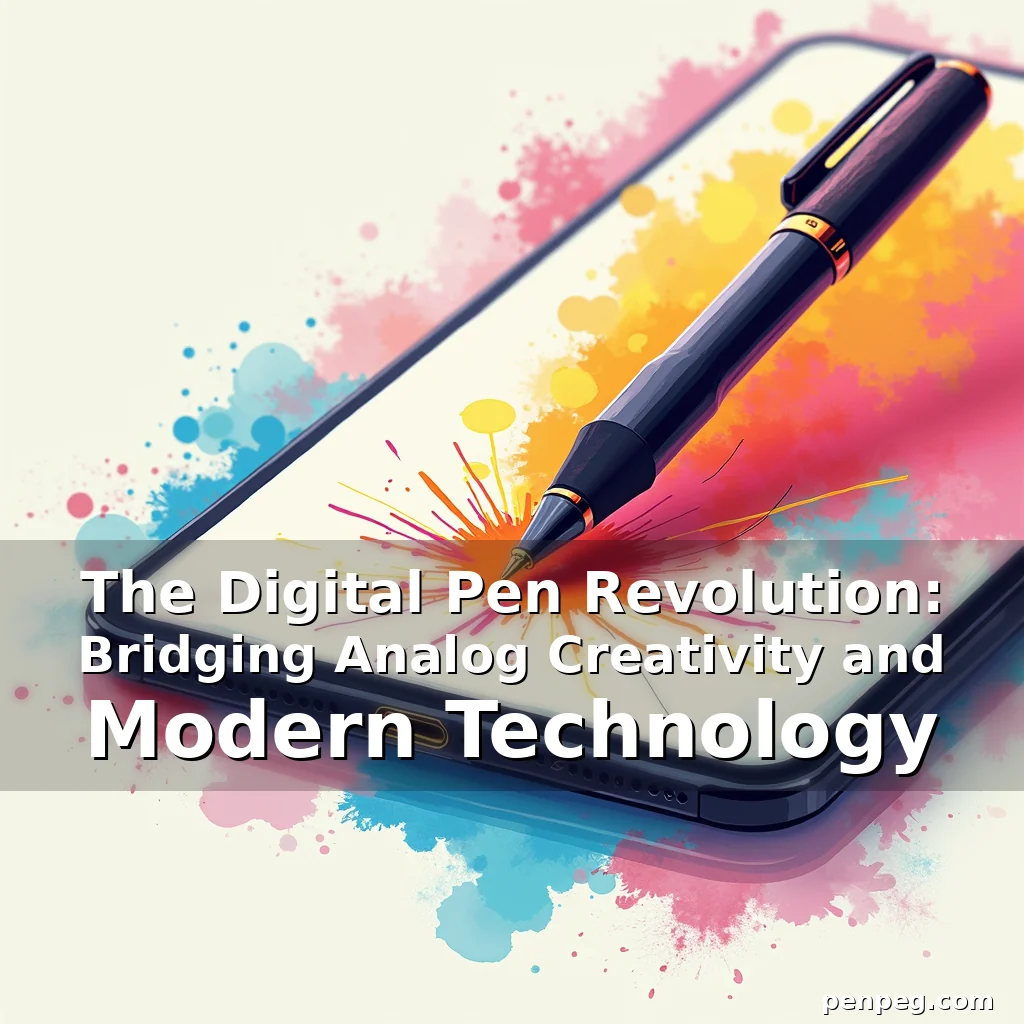
In an era where screens dominate our daily lives, the digital pen emerges as a powerful tool that merges traditional writing methods with cutting-edge technology. This innovative device is transforming how we create, communicate, and collaborate across various industries.
From artists sketching digitally to students taking notes in virtual classrooms, the digital pen offers versatility that goes beyond conventional pens and styluses. Its ability to translate hand movements into digital data opens new possibilities for creativity and efficiency.
Understanding the Core Functionality of Digital Pens
A digital pen operates by capturing the physical motion of its tip against a surface and converting these actions into digital input. Unlike standard styluses, which often require pressure sensors, digital pens can function without direct contact with a screen.
This capability allows users to write naturally on paper while simultaneously creating a digital record of their work. Some models even feature built-in cameras or optical recognition systems to achieve this dual functionality.
- Pressure sensitivity: Advanced models detect varying degrees of pressure applied during drawing or writing
- Handwriting recognition: Converts handwritten text into editable digital formats through sophisticated algorithms
Digital Pens vs Traditional Writing Instruments
The fundamental difference between digital pens and regular pens lies in their purpose and technological integration. While traditional pens serve only as writing tools, digital pens act as intermediaries between analog and digital worlds.
This distinction becomes crucial when considering applications that demand both tangible records and digital documentation. For instance, doctors might prefer using digital pens to take patient notes that are automatically stored in electronic health records systems.
Applications Across Industries
The adaptability of digital pens has led to widespread adoption across diverse fields such as education, healthcare, architecture, and engineering. In academic settings, they enable interactive learning experiences through smart notebooks and tablets.
Architects benefit from precise line control and layer management capabilities when designing blueprints digitally. These features allow them to make revisions instantly without having to redraw entire plans manually.
In healthcare environments, medical professionals utilize digital pens for accurate note-taking during consultations. The ability to store and retrieve information electronically enhances workflow efficiency and reduces errors associated with manual transcription.
Technological Innovations Driving Digital Pen Development
Ongoing advancements in sensor technology continue to shape the future of digital pens. Newer models incorporate electromagnetic resonance tracking for improved accuracy and responsiveness compared to older optical scanning methods.
Sensors embedded within modern digital pens can now capture fine details such as stroke thickness variation and directional changes, providing greater precision for artistic creations and technical drawings alike.
Some manufacturers have begun integrating AI-powered handwriting analysis to enhance character recognition accuracy. This innovation significantly improves usability for non-Latin script languages and cursive writing styles.
Environmental Impact and Sustainability Considerations
As awareness grows regarding environmental sustainability, many consumers are evaluating the ecological footprint of their preferred writing instruments. Digital pens offer an eco-friendly alternative to disposable plastic pens commonly used in offices and schools.
While manufacturing processes still involve resource consumption, reusable digital pens eliminate the need for constant replacement of ink cartridges and pen bodies. This shift contributes positively to waste reduction efforts worldwide.
However, responsible disposal remains essential due to components containing electronics and batteries. Proper recycling programs ensure hazardous materials don’t end up in landfills unnecessarily.
User Experience Factors Affecting Adoption Rates
Several factors influence whether individuals choose to adopt digital pen technology over traditional alternatives. Usability plays a significant role; if a product feels too complicated or requires extensive training, potential users may opt out.
Ease of synchronization with existing devices also affects popularity. Users appreciate solutions that integrate seamlessly with their current workflows rather than requiring additional software installations or hardware purchases.
Pricing considerations cannot be overlooked either. Although initial costs might seem high, long-term savings from reduced consumables usage could justify the investment depending on frequency of use.
Future Trends Shaping the Evolution of Digital Pens
Looking ahead, experts predict several exciting developments that will further refine digital pen capabilities. Enhanced connectivity options promise smoother interactions between pens and connected devices like smartphones or tablets.
Advancements in haptic feedback mechanisms aim to simulate the tactile experience of writing on actual paper surfaces. Such innovations could bridge the gap between digital convenience and familiar writing sensations.
Integration with augmented reality (AR) platforms presents another intriguing possibility. Imagine being able to annotate real-world objects virtually using nothing but your digital pen and smartphone camera!
Choosing the Right Digital Pen for Your Needs
Selecting the appropriate digital pen depends largely on personal preferences and intended uses. Beginners might find basic models sufficient for simple tasks like note-taking or light sketching activities.
Professionals working extensively with graphics or design elements would likely benefit from advanced versions offering higher resolution scans, increased memory capacity, and enhanced compatibility features.
It’s advisable to test different models before making final purchase decisions whenever possible. Many retailers offer trial periods allowing customers to assess performance firsthand under realistic conditions.
Conclusion
The digital pen represents a remarkable fusion of tradition and innovation that continues reshaping communication practices globally. As technology advances, so too does the potential for creative expression through these versatile tools.
Whether you’re an artist seeking new mediums or someone looking to streamline everyday tasks efficiently, exploring available digital pen options promises rewarding discoveries tailored specifically toward individual needs.